Bikkido
In 2018, my brother and I launched Bikkido, handmade wooden balance bicycles for children. What began as a product idea quickly became a practical education in how a real business works when you have to build, source, coordinate, sell, and adapt with very little room for error.
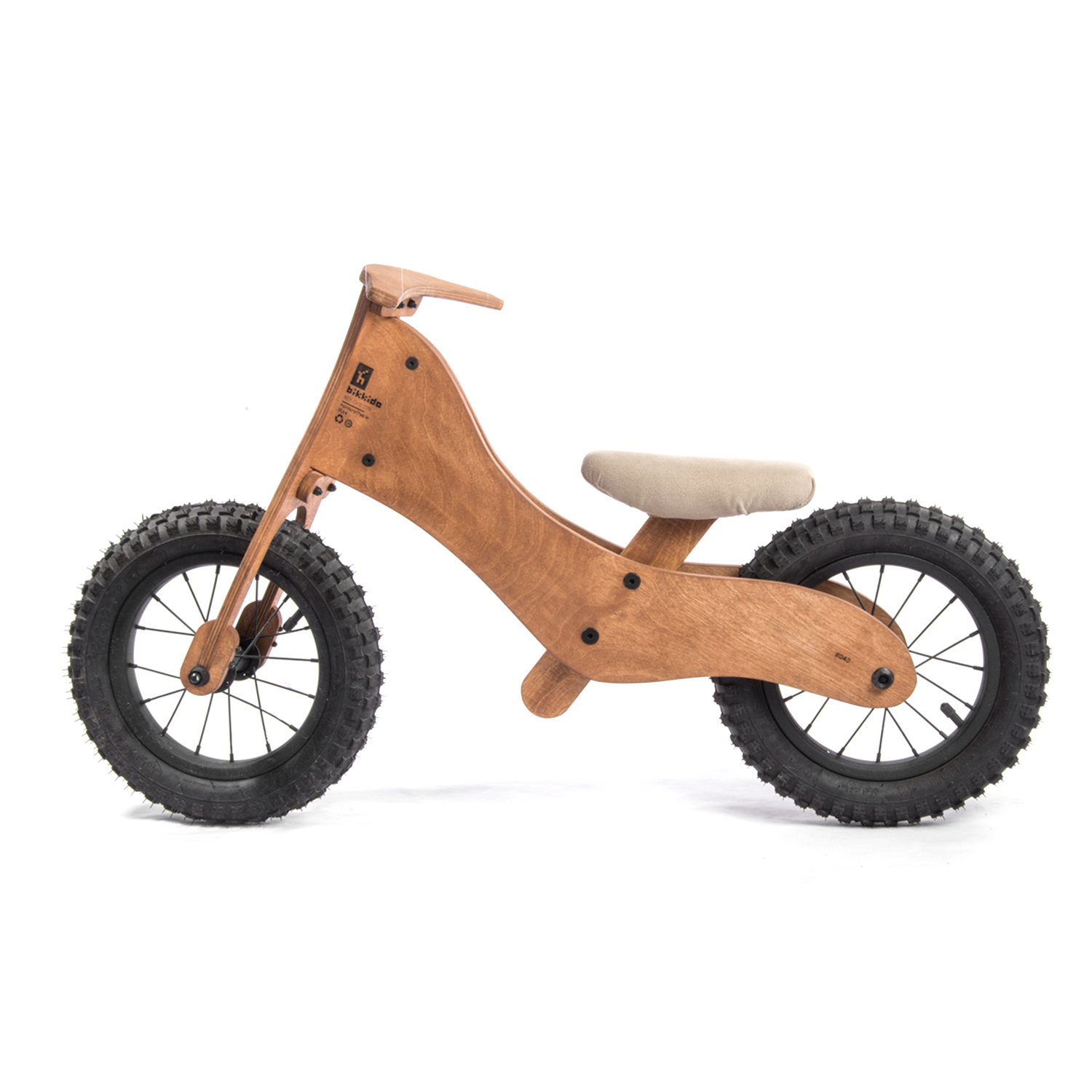
This project taught me far more than product design. Yes, we had to shape the bicycles themselves, think through materials, refine the look, and make something sturdy and useful. But just as important was learning how even a small venture depends on a functioning chain of relationships: suppliers, production constraints, timing, stakeholder alignment, customer expectations, feedback, and trust. It was my first real lesson in how a mini supply chain holds a product together long before it reaches the customer.
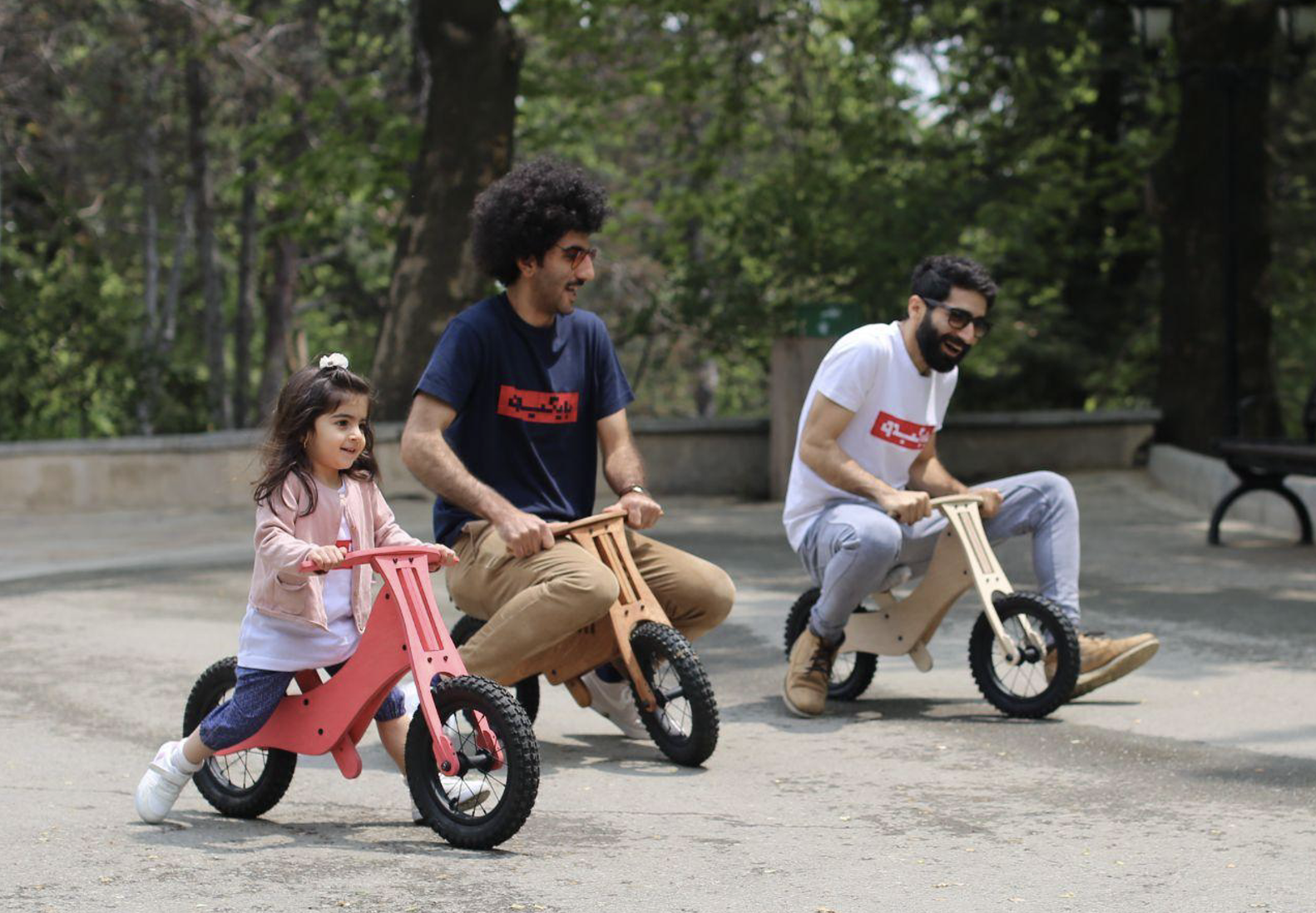
It also changed the way I understood customer relationship management. We were not just selling an object. We were making something for children that felt new and exciting in our context: pedal-free bikes that many kids immediately fell in love with. Seeing their reactions, and seeing parents recognize the value of a product that supported confidence, movement, and healthy development, made the customer side of the work feel much less like a burden and much more like a joy. Feedback did not feel like an afterthought. It felt like part of building something genuinely useful.
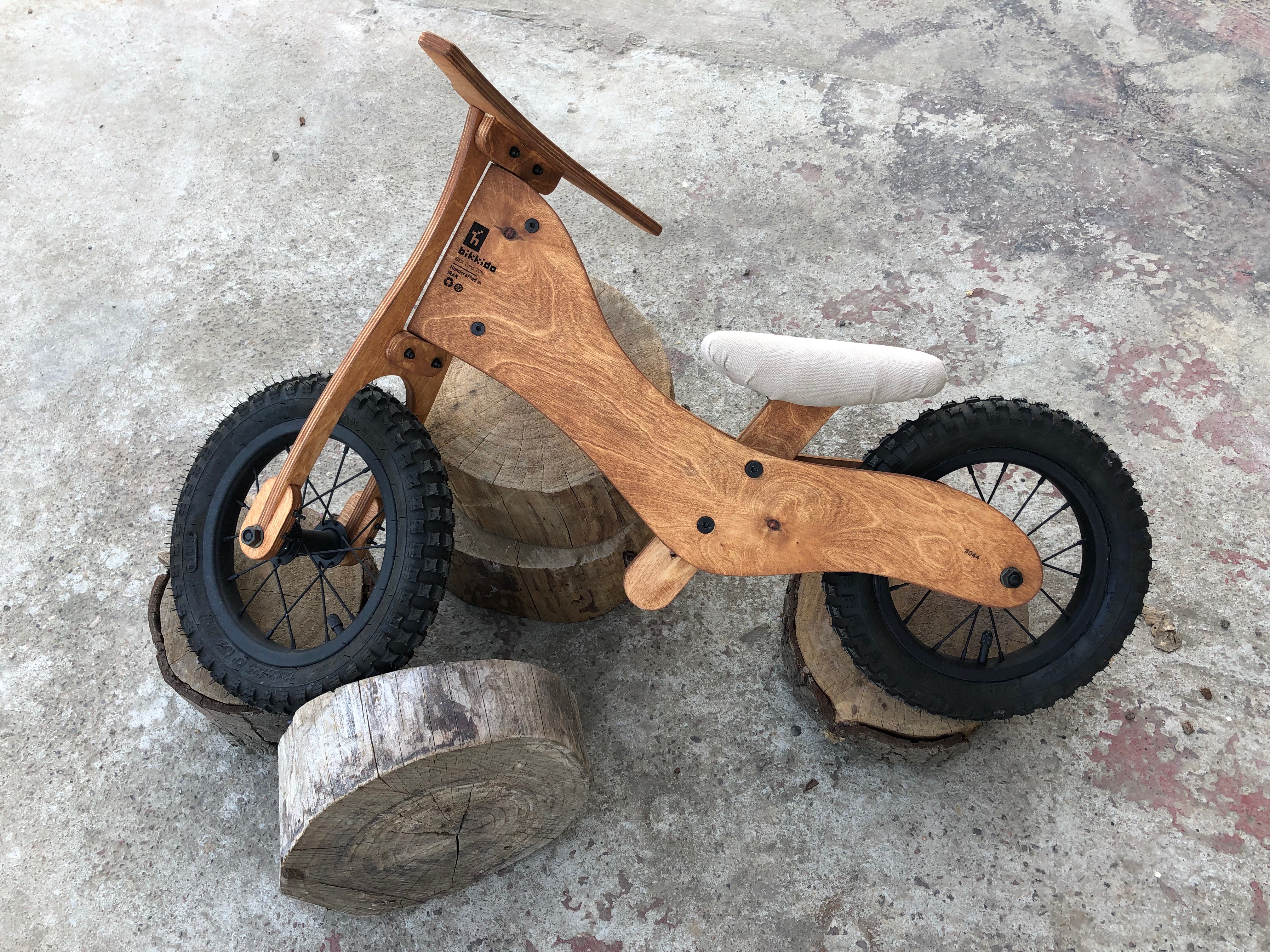
Because we were working in a constrained and sanctioned economy, every stage demanded flexibility and problem-solving. That environment forced us to improvise, adapt, and make careful decisions with limited resources. Looking back, Bikkido was not only a small entrepreneurial venture. It was one of my first real lessons in design, operations, coordination, and the human side of business.